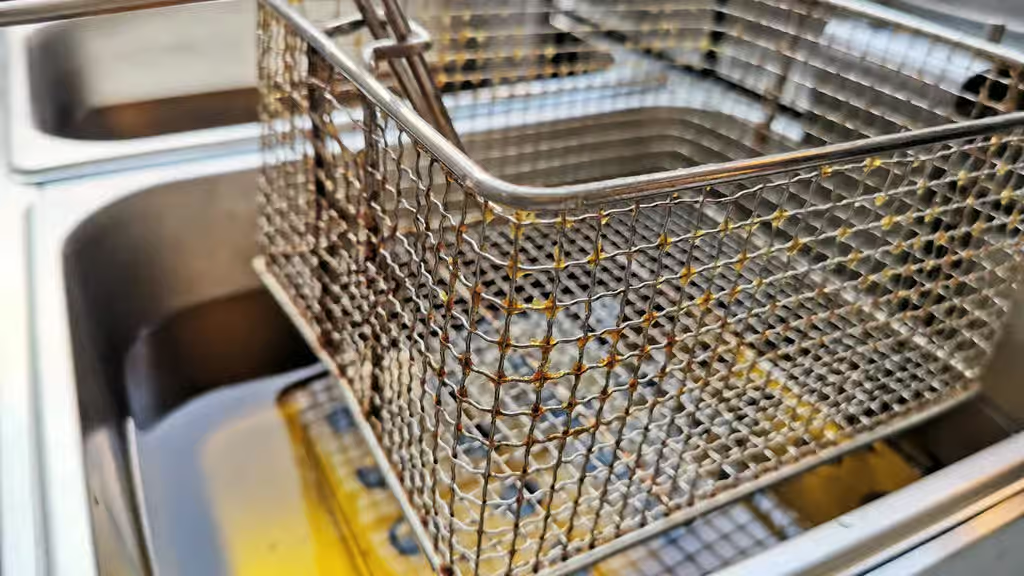
Improving kitchen efficiency is a multifaceted task that requires attention to detail, especially when it comes to maintaining equipment. A deep fryer is an essential piece of kitchen equipment in both commercial and home settings, often used for its ability to quickly cook food items with a crispy texture. However, over time, the buildup of grease and food particles can significantly affect its performance. One effective method for restoring and enhancing the efficiency of a deep fryer is through proper boiling out procedures.
Boiling out a deep fryer involves thoroughly cleaning the appliance by using hot water and specialized cleaning agents designed to break down stubborn grease deposits. This process not only ensures that the fryer operates at optimal levels but also prolongs its lifespan. When done correctly, boiling out can lead to improved heat distribution within the oil, which translates into more consistent cooking results. In turn, this consistency helps streamline kitchen operations by reducing cooking times and minimizing waste due to unevenly cooked food.
Moreover, regular maintenance through boiling out prevents unpleasant odors from developing in the kitchen environment—a common issue associated with poorly maintained fryers where old oil residues accumulate and degrade over time. By keeping these odors at bay, kitchens maintain a fresher atmosphere conducive to both staff productivity and customer satisfaction in commercial settings.
The benefits extend beyond just operational improvements; there are significant health implications as well. Boiling a deep fryer reduces the risk of cross-contamination between different batches of fried foods—a crucial concern in maintaining hygiene standards within any culinary setting. Boiling out effectively removes old oils that might harbor bacteria or allergens detrimental to those with sensitivities or dietary restrictions.
In addition to these advantages, properly boiled-out fryers contribute positively toward energy efficiency goals within kitchens striving for sustainability. Clean appliances require less energy input because they function without obstructions caused by accumulated debris or inefficient heating elements struggling against layers of grime.
For businesses focused on cost management alongside quality service delivery—such as restaurants facing tight profit margins—the financial savings associated with reduced energy consumption coupled with decreased need for frequent repairs make regular boiling outs an attractive proposition indeed.
Ultimately though perhaps less tangible than other metrics like speed or cost savings—there exists an undeniable element related simply enjoying one’s work environment more fully when everything functions smoothly around you: chefs taking pride knowing their tools remain sharp capable producing excellent dishes consistently day after day thanks diligent care given them behind scenes via simple yet effective practices such ensuring periodic thorough cleanings occur regularly scheduled intervals throughout year thus fostering overall sense harmony balance amidst bustling dynamic world professional gastronomy itself!